Vývoj inflace
The spectre of inflation is once again taking centre stage. The ongoing war in Ukraine, the oil crisis in the Strait of Hormuz, enormous government spending accompanied by widening deficits, as well as high employment and wage pressures – these are just some of the factors that are now likely to drive inflation higher. “Higher for longer” – central banks will therefore probably be forced to raise interest rates further and keep them at elevated levels for longer. The cost of money will thus increase significantly – mortgages, loans, corporate bonds, and so on.
The Covid pandemic and the subsequent energy crisis caused by the war in Ukraine have shown us that interventions by the Czech National Bank and the government can be significantly limited, and that the real value of the savings of many conservative Czech savers has fallen by several tens of percent.
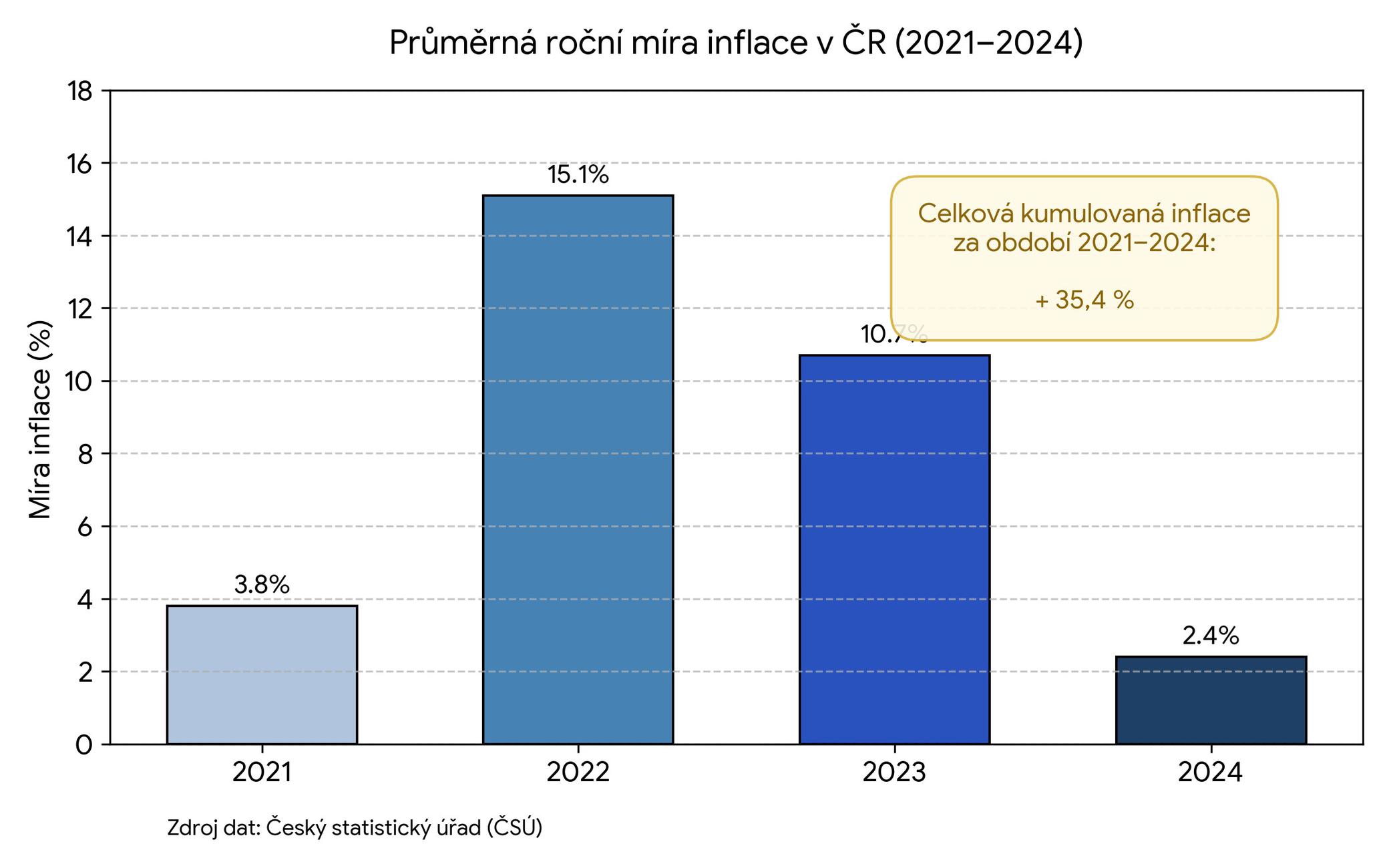
Inflation hedging is an investment strategy designed to protect the purchasing power of savings from erosion caused by rising consumer prices. When inflation rises, holding cash or investing in fixed-income assets such as conventional bonds and savings accounts can result in a loss in real financial terms. This strategy therefore shifts capital into real assets, including real estate, commodities, or shares of financially strong companies, whose value tends to rise alongside the general price level. The primary objective of this approach is not to generate aggressive returns, but to preserve the real value of wealth so that an investor can continue to afford the same amount of goods and services in the future as they can today.
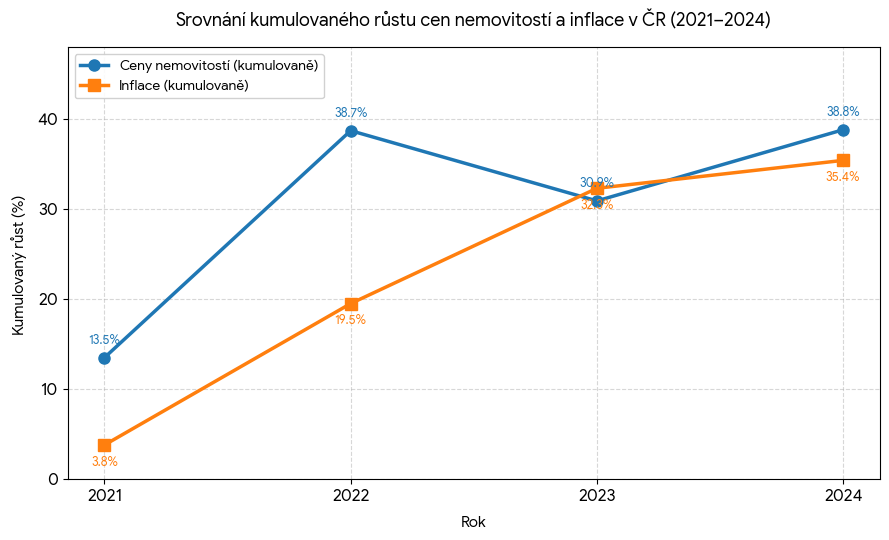
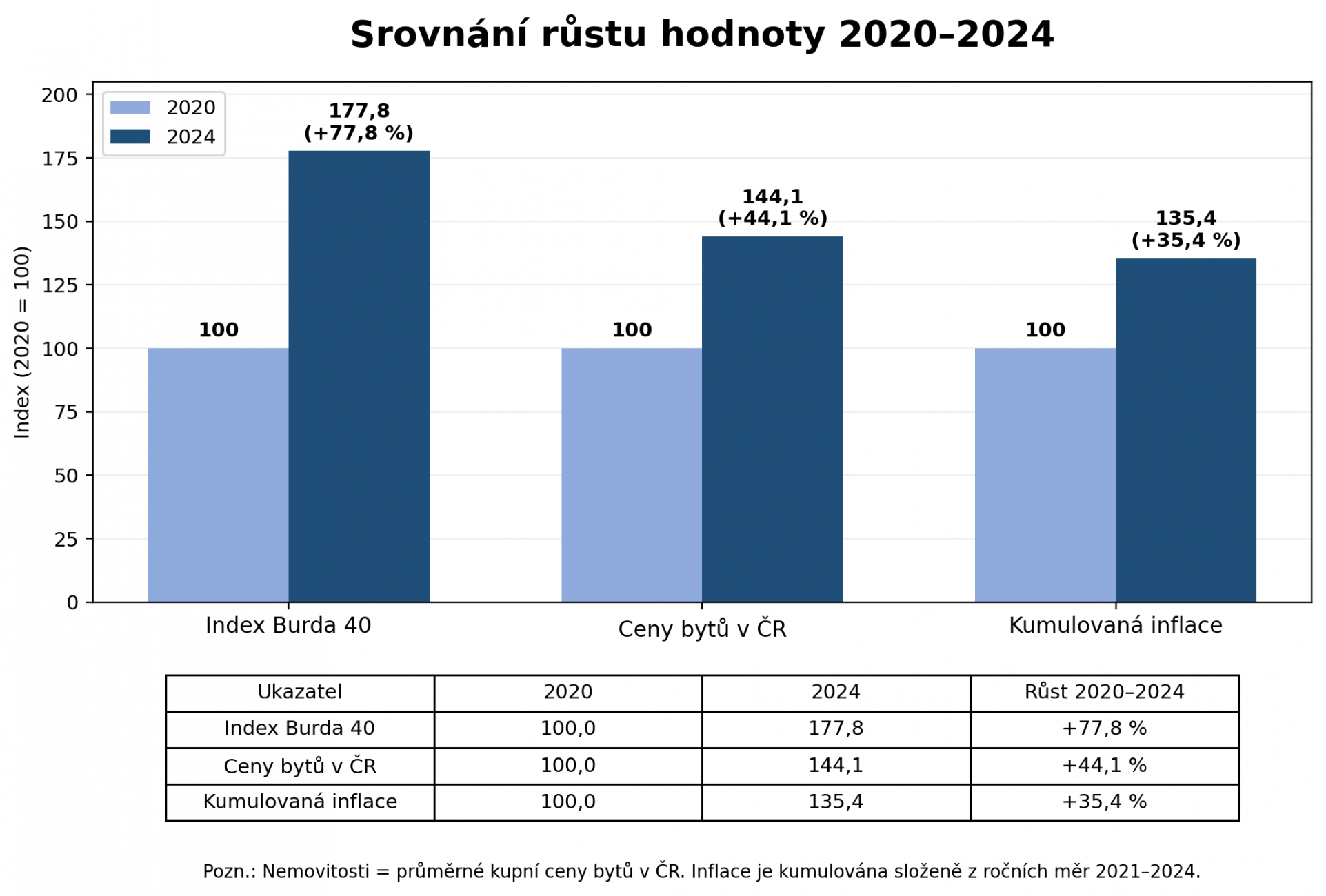
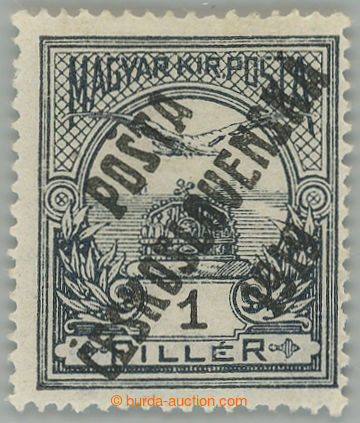
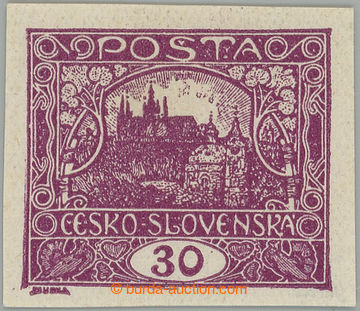
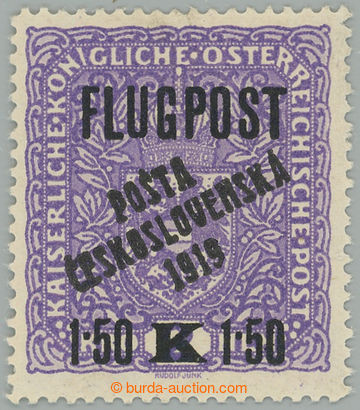
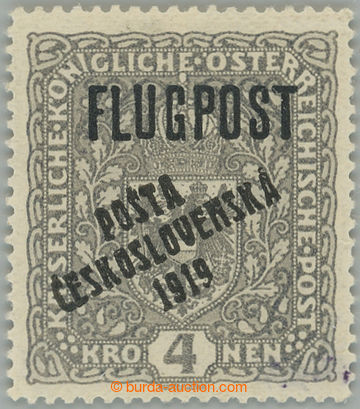
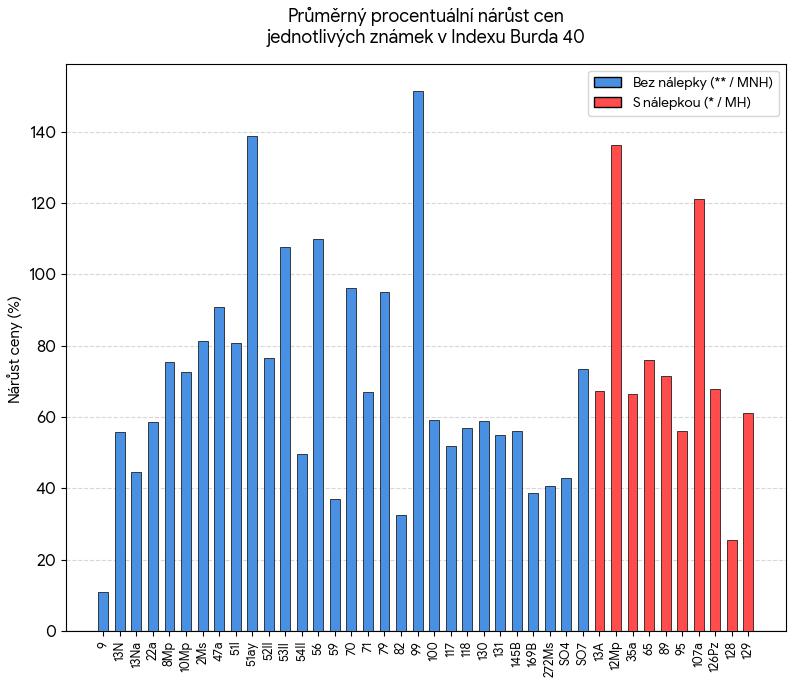
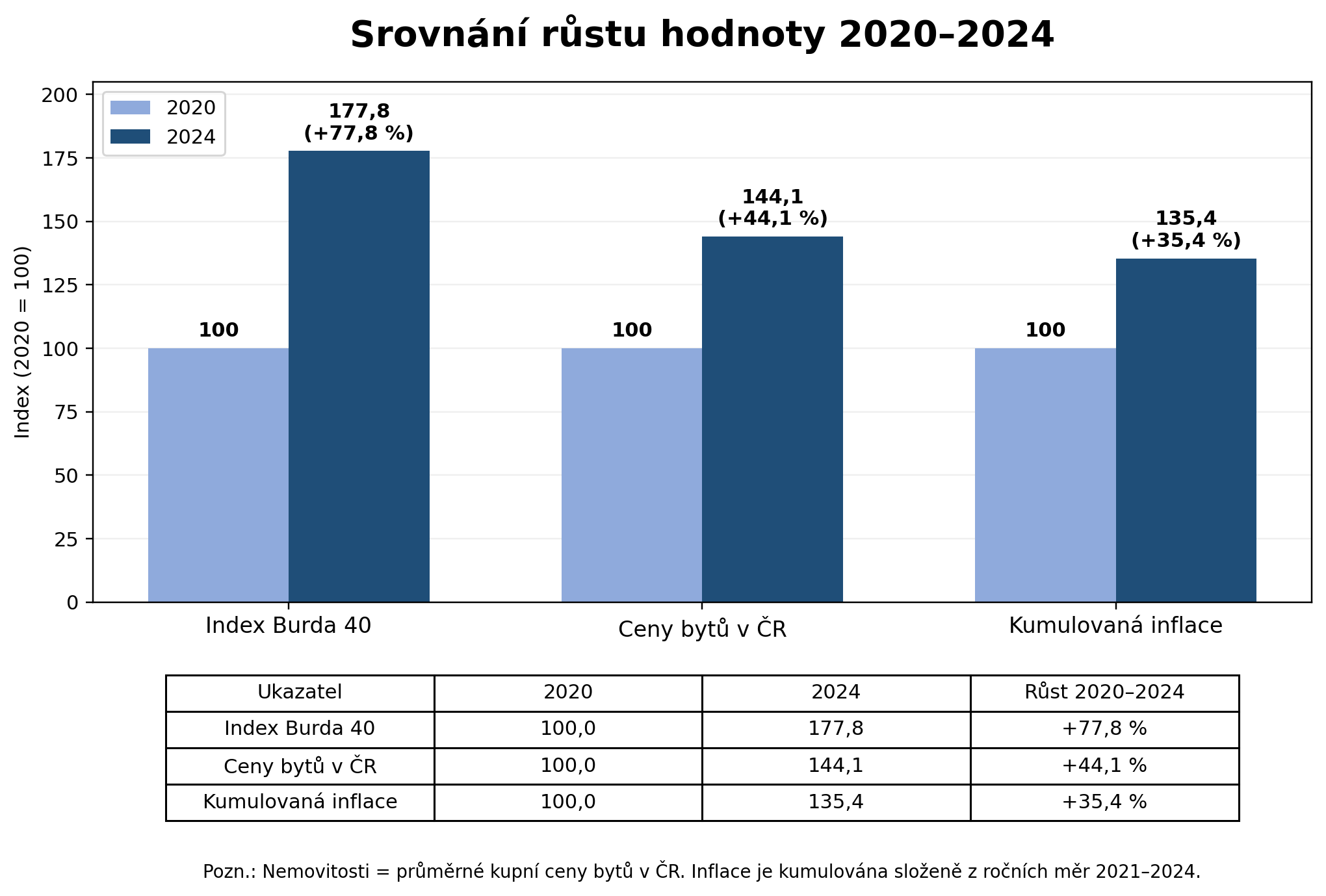
Alongside the traditional assets already mentioned, stamps from interwar Czechoslovakia can also represent an interesting alternative hedge against inflation, as they have traditionally attracted the greatest interest among collectors and investors in the Czech Republic. Based on the burdaINDEX40, a specially constructed portfolio of forty selected rare stamps from the First Czechoslovak Republic, we compared the average prices achieved at our auctions in 2020 with the average prices realized in 2024.*
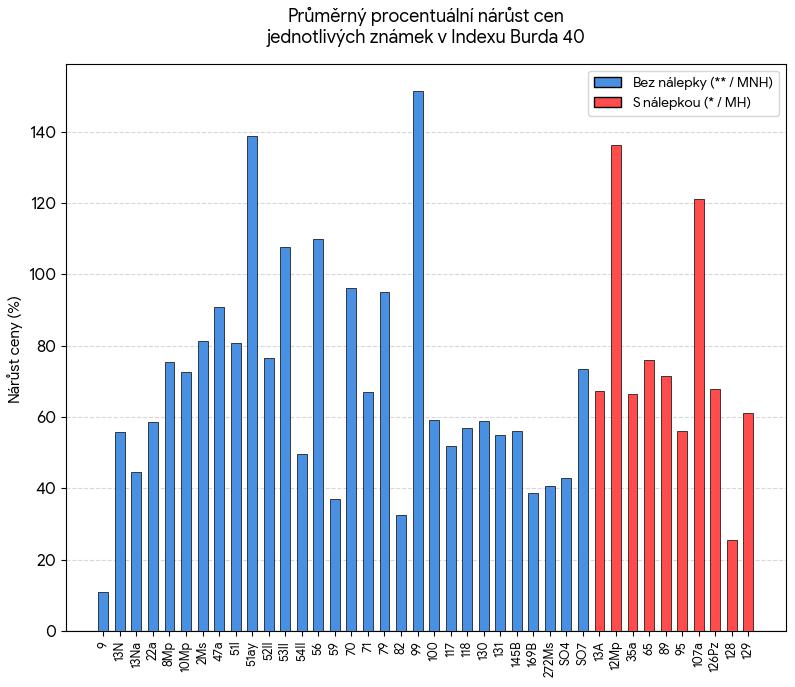
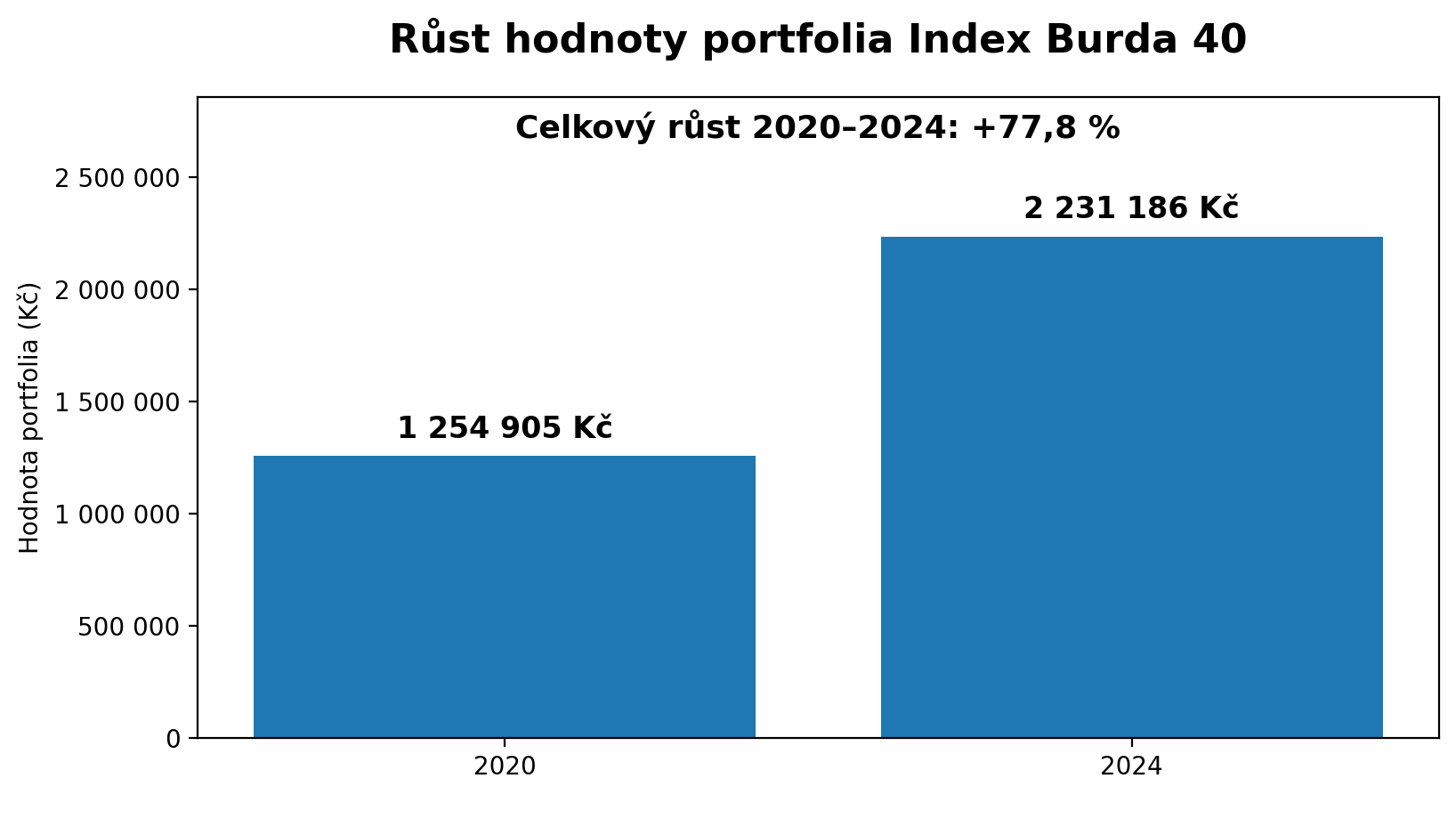
The data clearly demonstrate that the rare stamps of the First Czechoslovak Republic included in the burdaINDEX40 not only preserved their value amid the inflationary wave of 2021–2024, but also generated a significant positive real return for their owners. From an investment perspective, they may therefore represent an attractive alternative asset class for portfolio diversification and a potential means of preserving and enhancing purchasing power over the long term.